Lontong: A Hearty Malay Classic
Plus Singapore-style recipe you can make at home

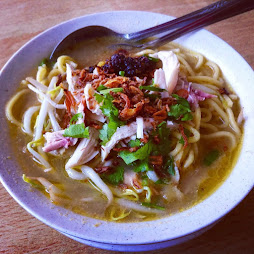
A classic bowl of lontong sayur lodeh — comforting, filling, and unmistakably Singaporean.
Lontong is a beloved traditional Malay dish in Singapore — rich, comforting, and versatile enough for breakfast, lunch, or dinner. At its heart, it's a simple combination of compressed rice cakes served in a fragrant, coconut-based vegetable curry known as sayur lodeh or sayur lemak.
What Goes Into a Bowl of Lontong?
The star of the dish is the lontong itself — rice compressed into a firm cake, traditionally cooked inside a banana-leaf-lined cylindrical mould. This gives the rice its characteristic roundish shape, unlike the square ketupat you might find with satay. These days, pre-cooked lontong is readily available at supermarkets and sundry shops.
The gravy is a mild, creamy coconut curry loaded with vegetables:
- Cabbage (in generous amounts)
- Long beans (kacang panjang)
- Carrots
- Fried tofu puffs (tau pok)
- Hard-boiled egg — a classic addition, though often optional at hawker stalls
The Essential Toppings
A bowl of lontong isn't complete without its signature garnishes:
- Serunding — golden-brown fried coconut flakes that add a crucial crunch and nutty sweetness.
- Sambal — a sweeter, milder chilli paste (not the fiery sambal belacan type), which adds a gentle kick. Purists will tell you: lontong without sambal simply isn't lontong.
Where to Find It & How Much It Costs
Lontong is a staple at Malay stalls across Singapore's hawker centres and food courts. A generous bowl typically costs around $4.50. Want an extra egg? Most stalls will add one for about a dollar, served either halved or whole.
For a reliably good version, Qiji — a local food outlet chain — serves a popular rendition that often sells out by mid-day.
When to Eat Lontong
While lontong is traditionally a breakfast dish, it's substantial enough to carry you through lunch or dinner. During festive occasions like Hari Raya, Malay families often prepare it at home, sometimes using ketupat (the woven palm-leaf rice cakes familiar from satay) in place of the usual compressed rice.
🍲 How to Make Lontong at Home
Want to recreate that hawker-centre magic in your own kitchen? Here's an authentic Singapore-style Lontong Sayur Lodeh recipe.
Serves 6–8Part 1: The Lontong (Compressed Rice Cakes)
The shortcut: Buy pre-made lontong or nasi impit at any supermarket. But if you want to make it from scratch:
Ingredients
- 2 cups jasmine rice
- Banana leaves (or aluminium foil as substitute)
- Water
- Cook the rice as you normally would, but with slightly less water so it comes out firm.
- While hot, pack the rice tightly into a rectangular container or roll it in banana leaves into a tight cylinder.
- Compress it by placing a heavy weight on top (a pot filled with water works well). Let it cool completely — this can take 4–6 hours or overnight in the fridge.
- Slice into 2cm thick rounds just before serving.
Part 2: Sayur Lodeh (The Coconut Vegetable Curry)
This is the soul of the dish. The Singapore/Malaysian version is distinct from the Indonesian one — it's yellowish from turmeric, bolder in flavour from belachan and dried shrimp, and slightly thicker.
For the Spice Paste (Rempah)
Blend these into a fine paste:
- 2 medium red onions (or 5–6 shallots)
- 10 cloves garlic
- 5 candlenuts (buah keras) — or substitute with 8–10 macadamia nuts
- 2 stalks lemongrass (white part only, sliced)
- 2 cm ginger
- 2 cm galangal (lengkuas)
- 2 tbsp dried shrimp, soaked in warm water for 10 minutes
- 2 cm shrimp paste (belachan)
- 1 tbsp turmeric powder (or 2 cm fresh turmeric)
- 1 tbsp coriander powder
- 2 tbsp chilli powder (adjust to taste)
- 2 fresh red chillies (optional, for extra heat)
- A splash of water to help blend
For the Curry
- ½ medium cabbage, roughly chopped
- 1 carrot, sliced
- 10–12 long beans, cut into 4cm lengths
- 1 small jicama (sengkuang), cut into sticks (optional but traditional)
- 10 tofu puffs (tau pok), cut into large pieces
- 6 hard-boiled eggs
- 300ml thick coconut milk (santan)
- 4 cups water (or chicken/vegetable stock)
- 1 chicken stock cube (optional)
- Salt and sugar, to taste
- 3 tbsp cooking oil
To Serve
- Serunding (fried coconut flakes)
- Sambal (sweet chilli paste)
- Sliced red chillies for garnish
- Fry the spice paste: Heat the oil in a large pot or wok over medium heat. Sauté the blended rempah, turmeric powder, coriander powder, and chilli powder until fragrant and the oil separates from the paste — about 5–7 minutes. This step is crucial; don't rush it.
- Build the broth: Add about 2 cups of water and the stock cube. Bring to a boil.
- Add vegetables in stages: Start with the harder vegetables — carrots and jicama — and simmer for 5 minutes. Then add long beans and cabbage. Add more water if needed to just barely cover the vegetables. Simmer until vegetables are almost tender, about 5–7 minutes.
- Add coconut milk: Lower the heat. Pour in the coconut milk slowly while stirring gently in one direction. Never let it boil rapidly after adding coconut milk, or it will curdle. Keep it at a gentle simmer.
- Add protein: Gently stir in the tofu puffs and hard-boiled eggs. Season with salt and a pinch of sugar to taste. Simmer for another 2–3 minutes, then turn off the heat.
- Rest: Let the curry sit for at least 15 minutes before serving. This allows the flavours to meld beautifully.
Assembly
- Place 2–3 slices of lontong on a deep plate or bowl.
- Ladle the hot sayur lodeh over the rice cakes.
- Top with a halved hard-boiled egg.
- Sprinkle generously with serunding.
- Add a dollop of sambal on the side.
- Garnish with sliced red chillies if desired.
💡 Pro Tips
| Tip | Why It Matters |
|---|---|
| Don't skip the belachan & dried shrimp | This is what gives Singapore-style lontong its signature umami depth. |
| Compress the rice while hot | Cold rice won't bind properly. Pack it tight! |
| Add coconut milk last, on low heat | Prevents curdling and keeps the gravy silky smooth. |
| Rest the curry | Like many stews, sayur lodeh tastes better after sitting for 15–30 minutes. |
| Freestyle your vegetables | No jicama? Add eggplant, chayote, or even pumpkin. Lontong is forgiving. |
Why It Matters
In a city where fast-food meals can easily exceed $6 or $7, a filling, flavourful bowl of lontong for under $5 is a reminder of why Singapore's hawker culture is worth celebrating. It's hearty, it's affordable, and it's unmistakably local — just like a good bowl of laksa.
Whether you're grabbing it at a hawker centre on a Saturday morning or simmering a pot at home for Hari Raya, lontong is a dish that rewards patience with pure comfort.
© Singapore For Less — Exploring the Lion City, one bite at a time.
Related posts:


Comments
Post a Comment