Kampong Gelam: Singapore's Vibrant Historic Quarter
Where royal heritage meets street art, Nasi Padang, and chic cafés
Kampong Gelam (also spelled Kampong Glam) is one of Singapore's oldest settlements, a living tapestry where 19th-century Malay royalty, Arab traders, Javanese pilgrims, and Chinese coppersmiths once converged. Today, it is a conservation area of extraordinary depth—where golden domes rise above indie boutiques, where the scent of attar mingles with espresso, and where every shophouse tells a story.
A Royal Beginning
Kampong Gelam is one of Singapore's oldest settlements, with a history that predates Raffles. This area became the home of Sultan Hussein Shah, whom Sir Stamford Raffles recognised as the legitimate successor to the Johor empire. In 1819, the Sultan signed a treaty with the British East India Company to establish a trading post in Singapore.
Raffles zoned Kampong Gelam as the Malay quarter in his 1822 town plan, alongside Chinatown and the European Town. (Little India, by contrast, evolved organically and was not part of the original Jackson master plan, although early drafts did include four ethnic quarters: European, Malay, Indian, and Chinese.)
The name "Kampong" (or "Kampung") means "village" in Malay, while "Gelam" comes from the gelam tree (Melaleuca cajaputi), a species of paperbark tea tree that once grew abundantly in the area. The leaves have natural antibacterial and anti-inflammatory properties, and their oil is still used today in products like Tiger Balm and Axe Brand medicated oil. You can still find these trees at a small park along Kandahar Street, and over the island including at Pasir Ris Park, Jurong Lake Gardens, and the Singapore Botanic Gardens.
Bugis, located nearby, takes its name from the Buginese people of South Sulawesi, Indonesia, who settled there in the 1800s. They originally lived around the palace area but moved further up toward Rochor once Sultan Hussein Shah and his entourage from Riau arrived. Kampong Gelam is one of the 10 subzones of the Rochor area.
 |
| Vibrant Muscat Street with brown 'Batman' Building in the background |
The Streets & Their Stories
Kampong Gelam's streets carry names drawn from Middle Eastern cities, reflecting the area's historical role as a hub for Arab traders.
Bussorah Street
The main pedestrian thoroughfare, Bussorah Street (named after Basra, Iraq) leads up to the grand Sultan Mosque. Before its current name, it was called Sultan Road. The section near the mosque was known as Kampong Kaji—"kaji" being the Javanese pronunciation of "haji"—where Muslim pilgrims from British Malaya and the Dutch East Indies would gather before sailing to Jeddah for the Hajj. Many pilgrims worked in Singapore to earn their passage; some never made it to Mecca and settled here permanently.
The lower end of Bussorah Street and nearby Baghdad Street were once known as Kampong Tembaga (Copper Village), where Chinese coppersmiths plied their trade. Today, Bussorah Street is lined with a mix of upmarket Middle Eastern restaurants, affordable eateries, and cafés offering alfresco dining in the evenings.
Baghdad Street
Once called Intan Street or Kampong Intan (Diamond Village) after the Banjarese diamond traders and jewellers who operated there. Look for the striking diamond-themed wall art in the alley off Baghdad Street, next to % Arabica Café. And across this, is another painting showing a shop selling rattan. Look for three cats on the painting.
Muscat Street
Named in 1909 after the capital of Oman, this photogenic street features distinctive arches that were jointly redeveloped by Singapore and Oman in 2012. The design reflects Kampong Gelam's maritime trade connections with the Arab world. The arches near Kandahar Street, with the Sultan Mosque rising behind them, are a favourite photo spot for visitors. The arch near Arab Street has a huge colourful wall mural depicting life of yesteryear painted by non other than Singapore's most notable mural artist Yip Yew Chong. This particular area is full of hive.
Haji Lane & Bali Lane
Narrow, colourful, and unapologetically hip, Haji Lane is Kampong Gelam's bohemian heart. The shophouse walls are canvases for vibrant street art and murals that rival those in any global street-art capital. Browse eclectic boutiques selling designer clothing, yoga accessories, vintage finds and unique photo-booths, or settle into one of the many cafés and bars—the bars more toward the Beach Road end of the lane.
Parallel Bali Lane is equally lively, home to the iconic Blu Jaz Café, where you can catch live jazz and impromptu evening performances.
 |
| Selfie street of Haji Lane with colourful wall murals on shophouses |
Sultan Mosque (Masjid Sultan)
The original mosque, built between 1824 and 1826, was a modest single-storey brick structure. A century later, as the congregation grew, it was demolished and the present building was commissioned in 1924. Designed by Irish architect Denis Santry of Swan & MacLaren in the Indo-Saracenic style, the mosque features distinctive onion-shaped domes topped with golden crescents, and minarets from which the call to prayer once rang out.
Look closely at the base of the main dome and you will see it is ringed with the ends of glass bottles—donated by poorer worshippers so that everyone, regardless of means, could contribute to its construction.
 |
| Masjid Sultan (Sultan Mosque) |
Malay Heritage Centre: The 2026 Revamp
After more than three years of closure, the Malay Heritage Centre (MHC) reopened its doors on 25 April 2026 with a sweeping transformation that redefines how Singapore tells the story of its Malay communities. The reopening was marked by a nine-day festival, Pesta Pecah Panggung – Transcending Boundaries, which turned Kampong Gelam into a vibrant cultural stage with cross-border performances, a women-led musical, and even an overnight "slumber party" inside the centre featuring films, karaoke, and a pyjama contest.
A New Narrative: Dari Rantau Ke Rumah
The revamped centre is built around a powerful new storyline: Dari Rantau Ke Rumah (From the Region to Home). Rather than presenting a single, monolithic "Malay" identity, the galleries explore how Malay communities in Singapore have been shaped by the wider Nusantara—the Malay archipelago—and by Singapore's everyday cultural mix. The result is a far more nuanced portrait of Malay identity, one that acknowledges diversity, migration, and adaptation.
Six Revamped Galleries
The centre now features six permanent galleries housing 279 artefacts that take visitors from 19th-century beginnings to contemporary questions of what it means to be Malay today. Threaded between the galleries are intimate "Corridors of Cultural Memories"—spaces that capture everyday life, living heritage, and the sensory textures of Malay culture.
Correcting the Lens: Women & Sub-Ethnic Communities
One of the most significant shifts in the new MHC is its deliberate effort to "correct the lens" through which Malay history has traditionally been viewed. There is now a much stronger representation of Malay sub-ethnic communities—Javanese, Bugis, Minangkabau, Baweanese, and Orang Pulau—each with their own distinct traditions and contributions.
Equally important is the centre's renewed focus on Malay women. The galleries spotlight pioneers who have long been overlooked: Hajah Maimunah, who was not only the founder of the beloved nasi padang chain but also Singapore's first female haj broker, coordinating pilgrimages to Mecca especially for women in the mid-20th century; and Zahrah Za'ba, one of the first Malay women radio announcers. These stories are presented alongside those of better-known figures like Yusof bin Ishak, Singapore's first President.
New Discoveries & Artefacts
The restoration itself yielded historical surprises. During works on the Istana Kampong Gelam building—gazetted as a national monument in 2015—conservators uncovered a stencilled sign reading "Crown Land Property Chapter - 382" dated 1897. This discovery, combined with an 1891 newspaper article on the death of Tengku Alam Shah (grandson of Sultan Hussein Shah), suggests the palace may have been completed around 1890 rather than the 1840s as previously believed. Parts of the building's original brick walls have been exposed and preserved, allowing for further study.
Other standout new acquisitions include:
- A 2-metre-long, 150kg congkak board carved in the shape of the petala wati, a celestial bird from Kelantanese mythology. Its crown-like mustaka shape suggests it was a display piece meant to teach visitors about the traditional seed-counting game.
- The pilgrim pass of Hajjah Maimunah Abdul Karim, a tangible link to the women who facilitated spiritual journeys across the Indian Ocean.
- Five newly commissioned artworks by contemporary local Malay artists, including a wayang kulit (shadow puppet) installation on the main staircase by batik painter Tumadi Patri, and a ceramic-shard assemblage by NEO_ARTEFACTS using fragments excavated from the Istana site.
The Spice Garden & Grounds
Previously the grounds featured a small but evocative spice garden near the visitor centre, where you can see samples of clove, wild pepper, nutmeg, durian, rambutan, and tongkat ali. It is a quiet reminder that Orchard Road was once a nutmeg plantation, and that Singapore's early wealth was built on the spice trade. The revamped centre has made the compound space wider, thus will be able to hold larger events.
Visitor Information:
- Singaporeans and Permanent Residents enjoy free admission year-round. Bring your NRIC for identification.
- Foreign residents and visitors: S$10 (S$8 for seniors).
- The centre is closed on Mondays. Check malayheritage.gov.sg for current programmes and festival registrations.
- Guided tours are conducted by museum docents. Check with the centre for schedules.
- Events around the wider Kampong Gelam area are also conducted regularly to coincide with holidays such as National Day and even Singapore F1 Grand Prix.
 |
| Malay Heritage Centre (former Istana Kampong Gelam) |
What to Eat
Kampong Gelam is a food lover's paradise, offering far more than just Malay and Middle Eastern cuisine.
Nasi Padang
This Minangkabau (West Sumatran) dish of rice served with various curries and sides is a must-try. Top spots include:
- Sabar Menanti, and Sederhana Singapore (both along North Bridge Road). A popular Warong Nasi Pariaman restaurant has ceased operation since early 2026.
- Rumah Makan Minang (Muscat Street/Kandahar Street junction)—look for the distinctive Minangkabau buffalo-horn roof visible from the Malay Heritage Centre entrance.
Don't miss the beef rendang, a slow-cooked masterpiece of spices and coconut. And yes—Singapore's first president, Yusof Ishak, came from a Minangkabau lineage.
Heritage Institutions
- Zam Zam & Victory (North Bridge Road): For over a century, these neighbours have served murtabak, biryani, and roti prata—best washed down with a frothy teh tarik.
- Hajah Maimunah (Jalan Pisang): Michelin Bib Gourmand-recognised. Traditional Malay kampong-style meals: grilled chicken, ikan bakar, urap, sambal telur, lemak siput, and nasi ambeng. Expect a long queue at lunchtime. (Second outlet on Joo Chiat Road.)
- Bhai Sarbat (Baghdad Street): The self-proclaimed "Best Chai Shop in Singapore," serving silky teh tarik (~S$2) and teh halia (ginger tea). For teh tarik, there are many other places you can get a fix including along Muscat Street at Rumah Makan Mining and Tarik.
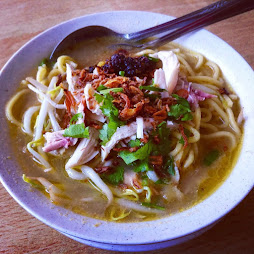
- Blanco Court Prawn Mee (Beach Road): A lunchtime favourite between Haji Lane and Arab Street.
Sweet Treats & Snacks
- Rich & Good Cake Shop (Kandahar Street): Famous for Swiss rolls in flavours like mango, kaya, strawberry, chocolate, and durian. About S$10 a box. Takeaway only. (Also at Jewel Changi Airport.)
- Ratu Lemper (Baghdad Street): Glutinous rice parcels wrapped in banana leaves with chicken or beef rendang fillings.
- Uncle Lee Confectionery (Jalan Pisang): A heritage bakery since 1986. Old-school kaya cake, buttercream cake, durian pandan cake, banana cake, and custard puffs.
Cafes & Bakeries: Where to Caffeinate & Indulge
Beyond its heritage hawkers, Kampong Gelam has blossomed into one of Singapore's most exciting cafe-hopping districts. Whether you are after third-wave espresso, artisanal sourdough, or viral Korean desserts, the grid of streets around Haji Lane and Arab Street delivers. A selection of cafes below but list is not exhaustive, just too many to mention. In recent times, there are more cafes and bakeries that open than one can keep track of, but as a coffee lover, I absolutely love it!.
% Arabica
56 Arab Street
The minimalist Japanese coffee chain serves top-tier espresso and single-origin beans with precision. Its sleek white counter and logo are instantly recognisable, and the people-watching on Arab Street is unbeatable.
Mother Dough
3 Jalan Kledek
What began as a one-woman project is now a neighbourhood institution. Come for the sourdough baguettes, flaky croissants, and lovely cakes. The aroma of freshly baked bread will pull you in from streets away.
Konditori Artisan Bakes
33 Bussorah Street
Scandinavian-inspired treats that are as beautiful as they are delicious. The cinnamon buns are a must-try, and the pastry case is a riot of cardamom, almond, and buttery layers.
Julie Bakes
28 Bussorah Street
Known for delicious fusion cakes and cookies such as onde-onde, durian sarawa and pandan flavoured. Just like Konditori, buy to go.
Twenty Grammes Cafe
753 North Bridge Road
Ice cream and waffles are the headline act, but the molten lava cakes and ice-cream sandwich burgers are equally tempting. A solid all-day spot for sweet-tooths.
Earlybird
17 Jalan Pinang
Weekend brunch done right: chicken and pancakes, chilli scrambled eggs, Sriracha tater tots, and creative drinks like gingerbread latte and cold-brewed sparkling lychee rose green tea.
Fika Swedish Cafe & Bistro
257 Beach Road
Skip Ikea and get your Swedish meatball fix here. Whitewashed walls, light-filled interiors, and comforting classics like apple crumble pie and chocolate balls make this a breath of fresh air.
Finally Coffee
695A North Bridge Road, Level 2
A quiet hideaway for coffee aficionados. The specialty Americano is bold and clean; the specialty latte carries notes of chocolate and caramel. Matcha lattes and signature chocolates are available for non-coffee drinkers.
Bana Bana Cafe
#01-01, 731 North Bridge Road
Homely Asian and Western comfort food at wallet-friendly prices: chwee kueh, seafood tom yam, nasi ambeng, beef lasagna, and a shelf of board games to break the ice on awkward first dates.
All Things Delicious
34 Arab Street, #01-01
A halal cafe serving hearty all-day brunch, pasta, and legendary sticky toffee date pudding. The warm, welcoming atmosphere and generous portions keep regulars coming back.
 |
| A bakery along Haji Lane |
Shopping & Souvenirs
- Arab Street & Jalan Sultan: Persian carpets, textiles, silk, traditional clothing, sarong kebayas, batik, rattan baskets, and jewellery.
- Perfume: Mix your own scent at Jamal Kazura (from S$10 for a small bottle) or visit Sifr Aromatics for a custom perfume consultation.
- Henna: Get a traditional inai hand tattoo at one of the many stalls along Bussorah Street.
- Sultan Arts Village (Sultan Gate): A creative enclave behind a pottery shop, worth peeping into for local art and workshops.
- Haji Lane Boutiques: Vintagewknd (1950s–Y2K vintage), Superwasted (upcycled apparel), and Kaeru Thrift Store (Japanese and US vintage finds).
Architecture & Conservation
Gazetted as a conservation area in 1989, Kampong Gelam is a showcase of Singapore's shophouse heritage. Look out for:
- Art Deco, Transitional, and Late-style shophouses with their distinctive five-foot ways (covered walkways)
- Festooned façades (swag motifs) along Bussorah Street
- The Parkview Square "Batman Building" near Bugis MRT—an Art Deco masterpiece housing Salvador Dalí sculptures, a Fernando Botero bronze, and the world-famous Atlas Bar (inspired by The Great Gatsby)
 |
| Intricate festoon detailing on a conserved shophouse along Bussorah Street |
Getting There & When to Visit
Transport
Nearest MRT: Bugis Station (Downtown and East-West Lines), Exit B. Walk toward the golden domes of the Sultan Mosque. Keep an eye out for the imposing Parkview Square along the way. Nicoll Highway station is also walkable from the Beach Road side.
Best Time
From late morning onward, when most shops are open. The area is perfect for a leisurely stroll, photography, and an evening meal. Late afternoon into early evening is the sweet spot—the harsh midday sun eases off, the golden hour makes the mosque glow, and the cafés and bars start to fill. Weekday evenings are calmer than weekends.
Avoid Friday around midday if you specifically want to enter the mosque, since that is the main congregational prayer and is closed for tourist visitation.
Major Events
- Ramadan FoodFest & Culture Fest: The annual highlight, with a bustling bazaar near the mosque and along Muscat and Kandahar Streets in the afternoons leading up to sunset.
- Hari Raya Puasa (Aidilfitri): Marks the end of Ramadan. Note: this is not the Islamic New Year, but the 10th month of the Islamic calendar. Many Muslim-owned business usually close on the eve and the first few days of Hari Raya Puasa. For a larger-scale bazaar and street light-up, head to Geylang Serai.
- Aliwal Urban Art Festival: Usually held in January, transforming surrounding streets into an open-air art playground with live painting, skateboarding, and music.
Quick Tips
- Carry small cash. Many textile and attar shops prefer it, and bargaining feels friendlier with notes in hand.
- Bring a light scarf or wear modest clothing—it doubles as shoulder cover for mosque visits and saves queueing for a loaner robe.
- Wandering the district is free. You only spend on food and shopping, so it is an easy budget afternoon.
- Strollers roll fine on Bussorah Street, though Haji Lane gets tight when busy.
Final Word
Kampong Gelam defies the cliché that Singapore is sterile or boring. In a single afternoon, you can walk royal grounds, admire Indo-Saracenic architecture, haggle over Persian carpets, eat Michelin-recognised Malay food, sip artisanal coffee, hunt for street art, and end the night with live jazz and teh tarik. It is, quite simply, one of Singapore's most layered and rewarding neighbourhoods.
"Come hungry, leave a little slower than you arrived—that's the Kampong Gelam effect."


Thanks for your share about Kampong Lam. I was know more about Singapore via your article.
ReplyDelete