Katong, Singapore – a Living Heritage
Katong is one of Singapore’s most beloved neighbourhoods—a vibrant mosaic of colourful shophouses, legendary laksa, intricate beadwork, and living heritage. But beneath its postcard-perfect streets lies a deeper story: one of melting-pot villages, mutual aid, and a philanthropic legacy that still pulses through the community today.
How Katong Got Its Name
The name Katong comes from the Malay words tanjong (cape) and katong—which refers to an extinct species of sea turtle that once nested along this coastline. The area was originally a seaside retreat for the wealthy, dotted with sprawling villas and mansions. Land reclamation in the 1960s and 1970s pushed the shoreline further south, at current East Coast Beach, but the name—and the turtle’s memory—remains. Incidentally in recent times, a critically endangered Hawksbill turtles have made a yearly visit to East Coach Beach to nest and lay eggs.
East Coast Road, the main artery, was demarcated as early as 1828 but only built in 1902 as a laterite road connecting Katong to Bedok. Joo Chiat Road is named after Chew Joo Chiat, a wealthy Chinese plantation owner who purchased land here in the early 20th century and later donated land for public roads.
 |
| Colourful wall mural depicting seaside retreat. Can you spot two chilling turtles? |
The Peranakan Heartland
Katong is synonymous with Peranakan (or Baba-Nyonya) culture. The term comes from the Malay word for “locally born”—descendants of Chinese traders who settled in Southeast Asia from the 15th century onward, intermarrying with local Malay and Indonesian women. Over generations, they forged a unique hybrid identity: Chinese ancestral customs, Malay culinary techniques, and European decorative tastes.
In 1993, the Joo Chiat neighbourhood—the historical core of Katong—was designated a national heritage conservation area. In 2011, it became Singapore’s first Heritage Town.
Before the Shophouses: The Kampungs
Long before the conserved terraces and trendy cafes, Katong was defined by two thriving villages—Kampung Amber and Kampung Siglap—where the Malay spirit of gotong royong (mutual cooperation) was a way of life.
Kampung Amber sat between East Coast Road and Amber Road, right where Katong Shopping Centre stands today. This was a true melting pot: Muslims, Peranakans, Indians, and Eurasians lived side-by-side in atap huts on stilts, shaded by coconut and palm trees. Neighbours cooked meals together, shared food, and helped each other prepare for the various ethnic festivals throughout the year. Children played marbles, five stones, and sepak takraw, occasionally raiding nearby rambutan and jambu trees.
Further east along Siglap Road lay Kampung Siglap. Folklore tells that the village was founded by Tok Lasam, a prince from Gowa in Sulawesi, who fled from Dutch forces and landed in Singapore in darkness—hence si gelap (the dark one) in Malay, which evolved into “Siglap”. His grave can still be found near Jalan Sempadan, and the old Kampung Siglap Mosque still stands beside its modern 1992 replacement.
The Red House: Bakery and Landmark
At 63 East Coast Road stands the Red House—unmistakable with its fire-engine-red facade. But its story goes far deeper than cream cakes.
Built in 1925 as a private seaside residence, it was bought by Jewish businessman Jim Baker, who converted it into the Katong Bakery & Confectionary Company. In 1931, Hainanese seaman Tan Siang Fuan took over for just $600 and made it famous—not just for its Swiss rolls and curry puffs, but for creating Singapore’s first three-tiered Western wedding cake. It also became an unofficial matchmaking spot for local families.
In 1957, the property was placed under a Wakaf (Islamic religious trust) by Sheriffa Zain Alsharoff Binte Syed Mohamed Alsagoff, a wealthy Arab philanthropist. Upon her death in 1968, the rental income was first directed to fund her grandchildren’s education for 21 years. Thereafter, it was meant to finance a dispensary offering free medical care to the needy.
The bakery closed in 2003 due to structural safety concerns. But in 2016, after an extensive rejuvenation project under the Wakaf Revitalisation Scheme (WRS), the Red House reopened. Its iconic red facade was restored, the bakery revived, and a new annexe with 42 residential units was added. Today the bakery is occupied by Micro Bread and Co. and they sell fresh sourdough. They close every Monday and Tuesday.
 |
| The iconic Red House at 63 East Coast Road |
Peranakan Craftsmanship: Kasut Manek, Sarong Kebaya, and Tiles
Peranakan culture is alive and tangible in Katong’s craftsmanship.
- Kasut manek (beaded slippers) were painstakingly sewn by Nyonya women—each pair a work of art, worn daily as part of the traditional wear together with sarong kebaya.
- Sarong kebaya. The kebaya—a sheer embroidered blouse worn over a batik sarong—remains the iconic symbol of Peranakan identity. The garment has been recognised by UNESCO as a shared culture heritage across Southeast Asia.
- Decorative tiles—often Majolica tiles from Europe—adorn many shophouse facades and interiors. They blend European techniques with Eastern floral and geometric motifs, and were once markers of wealth and taste. In Singapore itself, no one was interested in these decorative tiles until a local TV series, called Little Nyonya, revived interest in them in 2008. The film set featured authentic Peranakan style, and the attractive decorative tiles sparked the interest in Baba Nyonya heritage. The show brought back the allure of the tiles and re-introduced them into Singapore's present day culture.
- Turtle motifs appear frequently in Peranakan art, echoing the area’s namesake and its coastal roots. In Peranakan culture Turtle or tortoise symbolises prosperity, longevity and good fortune and famously represented through the traditional snack ang ku kueh (red tortoise cake)
Heritage Shophouses and Architecture
The two- and three-storey shophouses of Katong and Joo Chiat are architectural treasures. Built mostly in the 1920s, they feature ornate facades, pastel-coloured walls, elaborate plasterwork, and ceramic floral motifs.
The most iconic stretch is Koon Seng Road, lined with shophouses adorned with Peranakan tiles, Chinese couplets, and European-style pilasters. Many were built as “stilt” terrace houses—raised on foundations to protect against high tides before land reclamation.
 |
| Shophouses of Kim Choo Kueh Chang, Rumah Kim Choo and Rumah Bebe |
Must-Visit Heritage Spots
Kim Choo Kueh Chang/ Rumah Kim Choo (109–111 East Coast Road) – A beloved institution. This two-unit shophouse serves signature Nyonya rice dumplings and traditional kueh, while upstairs houses a gallery of Peranakan antiques and a kebaya boutique. It also doubles as a Singapore Visitor Centre.
Rumah Bebe (113E East Coast Road) – A lavishly decorated cerulean shophouse owned by Bebe Seet, a cultural custodian of Peranakan beadwork. Visitors can shop for sarong kebaya, jewellery, and homeware, or join workshops on beadwork and embroidery. Rumah is a Malay word which means house. So Rumah Bebe is literally the House of Bebe.
Rumah Intan (69 Joo Chiat Terrace) – A private Peranakan house-museum founded by collector Alvin Yapp. With over 5,000 artefacts displayed in his family home, it’s described as a “precious gem” that transports visitors back to the early 20th-century golden age of Peranakan culture—advance booking required.
Katong Antique House (208E East Coast Road)– Another private museum, perfectly preserved by fourth-generation Peranakan Peter Wee. It overflows with heirlooms—traditional crockery, jewellery, beaded slippers, costumes, and family photographs.
Food: Laksa and Nyonya Kueh
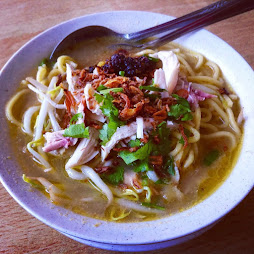
Katong is the birthplace of Katong Laksa—a spicy, coconut-based noodle soup with a distinctive Nonya flavour. Legendary stalls like 328 Katong Laksa still draw long queues. 328 Katong laksa has been recognised with a Bib Gourmand award by the Michelin Guide, though they sell more than laksa. They open daily from 9:30am to 9:30pm.
Beyond laksa, the area is a paradise for Nyonya kueh—colourful bite-sized snacks like ondeh ondeh, kueh lapis, and agar agar. Kim Choo Kueh Chang offers an excellent selection, while heritage restaurants like Guan Hoe Soon (opened 1953) serve classic Nonya dishes like ayam buah keluak.
 |
| Curry laksa |
Old-School Kopitiams and Modern Cafes
Beyond laksa and Nyonya kueh, Katong is home to a delightful mix of heritage kopitiams and contemporary cafes. Here are some of the most beloved spots:
Chin Mee Chin Confectionery (204 East Coast Road) – This Hainanese kopitiam, founded in 1925, is a true Katong institution. It started as a bread delivery business in the 1920s, run by Tan Hui Dong, who delivered bread to Peranakan households along Joo Chiat. Today, it's beloved for its kaya toast, soft-boiled eggs, and Eurasian pastries. Step inside and you'll be transported back in time with its ceiling fans, marble-top tables, and distinctive green floor tiles. After closing in 2018, it was restored and reopened in 2021, and celebrated its 100th anniversary in 2025.
Soon Soon Huat Crispy Curry Puff (220 East Coast Road) – Established in 1992, this family-run shop is famous for its hand-made, crispy curry puffs. The signature curry puff ($1.70) is packed with a mild, slightly sweet curry filling of potatoes, boiled egg, and chicken. Don't miss the custard puff and weekend-only durian puff either! It even attracted Olympic kitefoiler Max Maeder as a fan.
Yong's Teochew Kueh (at the junction of East Coast Road and Joo Chiat Road) – A favourite for handmade traditional Teochew kueh, prepared fresh daily. Operating for over 10 years, they offer steamed delicacies like cabbage kueh and soon kueh with light, delicate skins and flavorful fillings.
Bird of Paradise (#01-05, 63 East Coast Road) – A modern gelato boutique recognised by the Michelin Guide. They serve top-quality gelato and sorbet in house-made thyme-scented waffle cones, with unique botanical flavours like sea salt hojicha, white chrysanthemum, and raspberry lychee.
Awfully Chocolate (131 East Coast Road) – This homegrown brand opened its very first store in Katong in 1998. Founder Lyn Lee started with just one item on the menu – a simple handcrafted dark chocolate cake. Today, it's a beloved chain, but its flagship Katong outlet remains special, even offering a weekend brunch buffet.
Baker's Well (35 East Coast Road) – A cosy bakery-cafe that has been serving the Katong area since 2004. They offer wholesome, homemade baked goods, from breads and cakes to muffins and tarts. It's a perfect place for a freshly baked treat.
Modern Landmarks and Shopping Centres
Katong Shopping Centre (opened 1973 on Mountbatten Road) holds the distinction of being Singapore’s first air-conditioned shopping mall—a go-to destination for the Peranakan and Eurasian communities. However today, practically all stores there main service is deployment of domestic helpers.
i12 Katong (originally Katong People’s Complex, built 1983) underwent a major renovation and reopened in 2022 as a sleek seven-storey mall.
Roxy Square sits on the site of the former Roxy Cinema, a social focal point from the 1930s to the 1970s. The former Tay Buan Guan shopping centre at 83 East Coast Road (opened 1967) was another beloved local hub with a supermarket and Chinese emporium. We can see a marking of TBG on a column in front of Rumah Bebe representing its former shopfront. Similarly like Katong Shopping Centre, Roxy Square has seen better days. The complex now houses mainly wellness shops like massages, manicure and pedicure and traditional Chinese medicine practices. Not that it's bad, we could use a manicure once in a while!
How to Get There
With the Thomson-East Coast Line extension now open, Katong is more accessible than ever:
- Nearest MRT: Marine Parade Station (TE26)—just a short walk from East Coast Road.
- Other options: Eunos (EW7), Paya Lebar (EW8/CC9), or Dakota (CC8), and a short bus ride after that.
- Buses: Services 10, 10e, 12, 14, 14e, 32, 40 and 47 stops along the heart of Katong at East Coast Road.
A Final Reflection: More Than a Neighbourhood
Katong is not just a pretty collection of shophouses and laksa stalls. Its true soul lies in the stories of neighbours who fed each other during festivals, rebuilt homes after fires, and left behind philanthropic trusts that still serve the community today.
When you walk down East Coast Road or visit the Red House, you’re not just seeing conserved buildings. You’re walking through a living legacy of cultural fusion, and quiet generosity—a spirit that still makes Katong one of Singapore’s most beloved and meaningful districts.


Comments
Post a Comment